
Tub-to-shower conversion: is it worth it?
Shawn Allbritton, Clear River Contracting
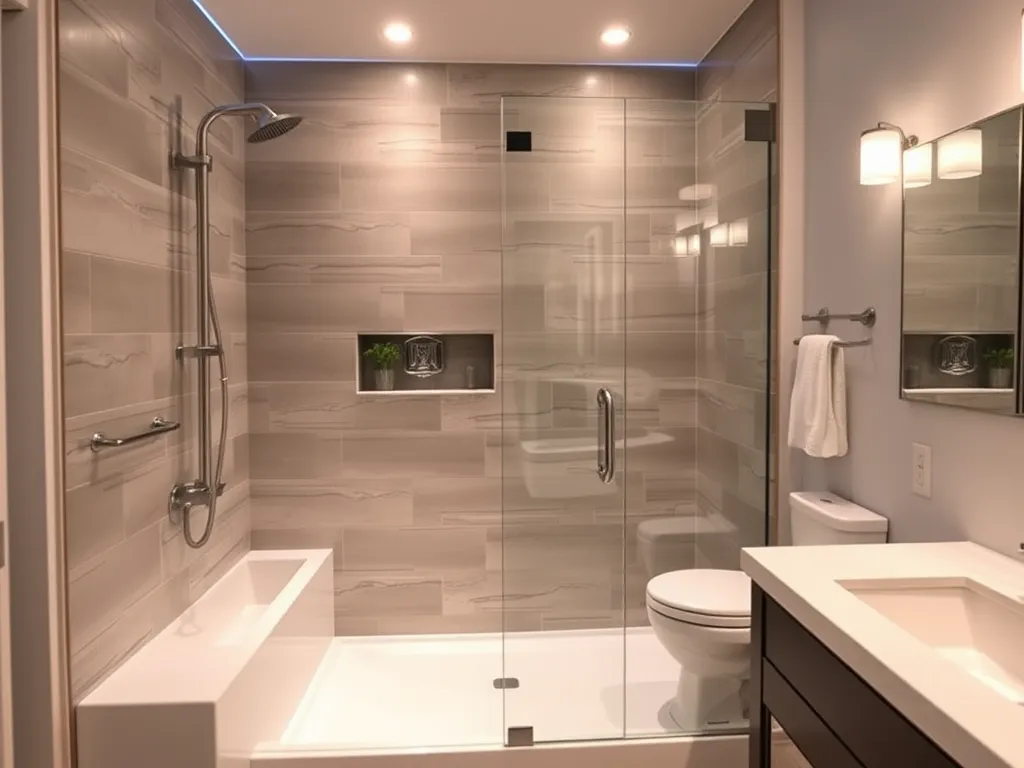
If you’re considering a tub-to-shower conversion in Chapel Hill, NC, Durham, NC, or the greater Triangle, you’re not alone. Many homeowners are upgrading older tubs into modern, walk-in showers to improve daily comfort, boost safety, and refresh the look of their bathroom without a full gut remodel. The big question is simple: is a tub-to-shower conversion actually worth it—and what should you know before you commit?
Baths don’t get used as much… showers do!
A tub-to-shower conversion is one of the most practical bathroom remodel upgrades because it changes how the space functions without necessarily expanding the footprint. In many Chapel Hill bathroom remodels and Durham bathroom renovations, the existing tub is rarely used for bathing—especially in primary bathrooms—while a well-built shower becomes a daily-use feature. That functional improvement often translates to stronger buyer appeal, particularly when the remodel looks intentional and high-end rather than “quick and cheap.”
Why homeowners in Chapel Hill and Durham choose tub-to-shower conversions
- Better daily usability: A larger walk-in shower is more convenient and can make your bathroom appear bigger even in a modest-sized bathroom.
- Safety and accessibility: A curbless or low-curb entry can reduce slip risk and make the bathroom more age-friendly.
- Modern design impact: Updated tile, niches, lighting, and glass can make the entire room feel new, even if other elements stay the same.
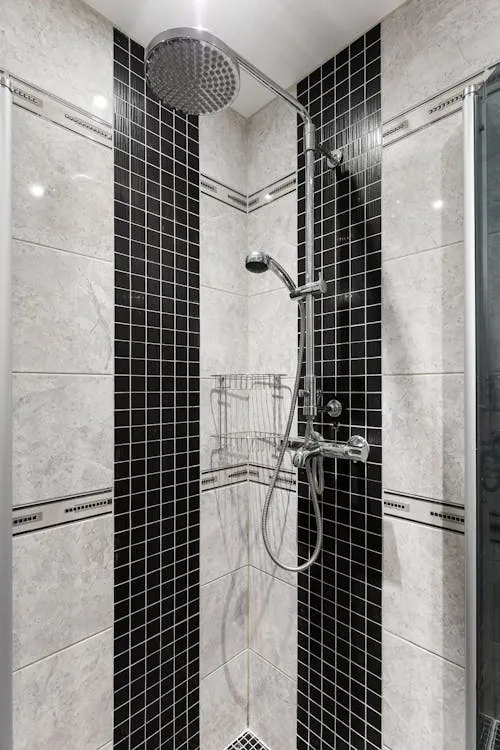
What determines whether it’s “worth it”
A tub-to-shower conversion is worth it when it’s done correctly—especially in older homes around Chapel Hill and Durham where hidden issues are common. The difference between a shower that lasts and a shower that fails usually comes down to three things:
- Waterproofing and build quality (non-negotiable): Tile and grout are not waterproof. A proper system behind the tile prevents leaks, mold, and subfloor damage.
- Plumbing layout and drain positioning: Some conversions need drain relocation or valve upgrades, which affects cost and timeline.
- Finishing choices that match the home: Tile quality, grout type, shower glass, and fixture selections determine whether the remodel looks premium or patched together.
Resale considerations in the Triangle for bathroom remodels
In many markets, removing the only tub in a home can be a drawback for families with small kids. However, in homes with at least one other tub (or where the tub isn’t realistically being used), a well-executed conversion can increase buyer interest. For many buyers, a clean, modern shower with quality finishes reads as “move-in ready,” which matters in competitive areas around Durham and Chapel Hill. Another massive perk is national average statistics state that upon resell you recoup 80%+ of the the total cost, so not only do you get to enjoy your investment but you also get your money back if you decide to sell. It’s a win win! Zillow’s guide to bathroom remodel ROI is a great article to read regarding ROI for bathroom remodels!
Timeline and expectations for your bathroom remodel
Most tub-to-shower conversions can be completed faster than a full bathroom remodel, but you should still plan for a professional process: demolition, prep, waterproofing, tile installation, and glass/fixture installation. If you’re comparing quotes in Chapel Hill NC or Durham NC, make sure every proposal clearly defines what’s included so you’re not surprised by add-ons later.
Final Thoughts
So, is a tub-to-shower conversion worth it? For many homeowners in Chapel Hill, Durham, and the Triangle, the answer is yes—when the conversion is planned correctly and built with proper waterproofing, smart layout decisions, and finishes that fit the home. If you’re thinking about a bathroom remodel in Chapel Hill NC or a Durham NC bathroom renovation, a tub-to-shower conversion can be one of the highest-impact upgrades you can make without taking on a full remodel. The best next step is to assess how you use the space today, confirm whether you’ll still have at least one tub in the home (if needed), and get a scope that prioritizes long-term durability—not just a quick facelift.